

Welcome To My School Study
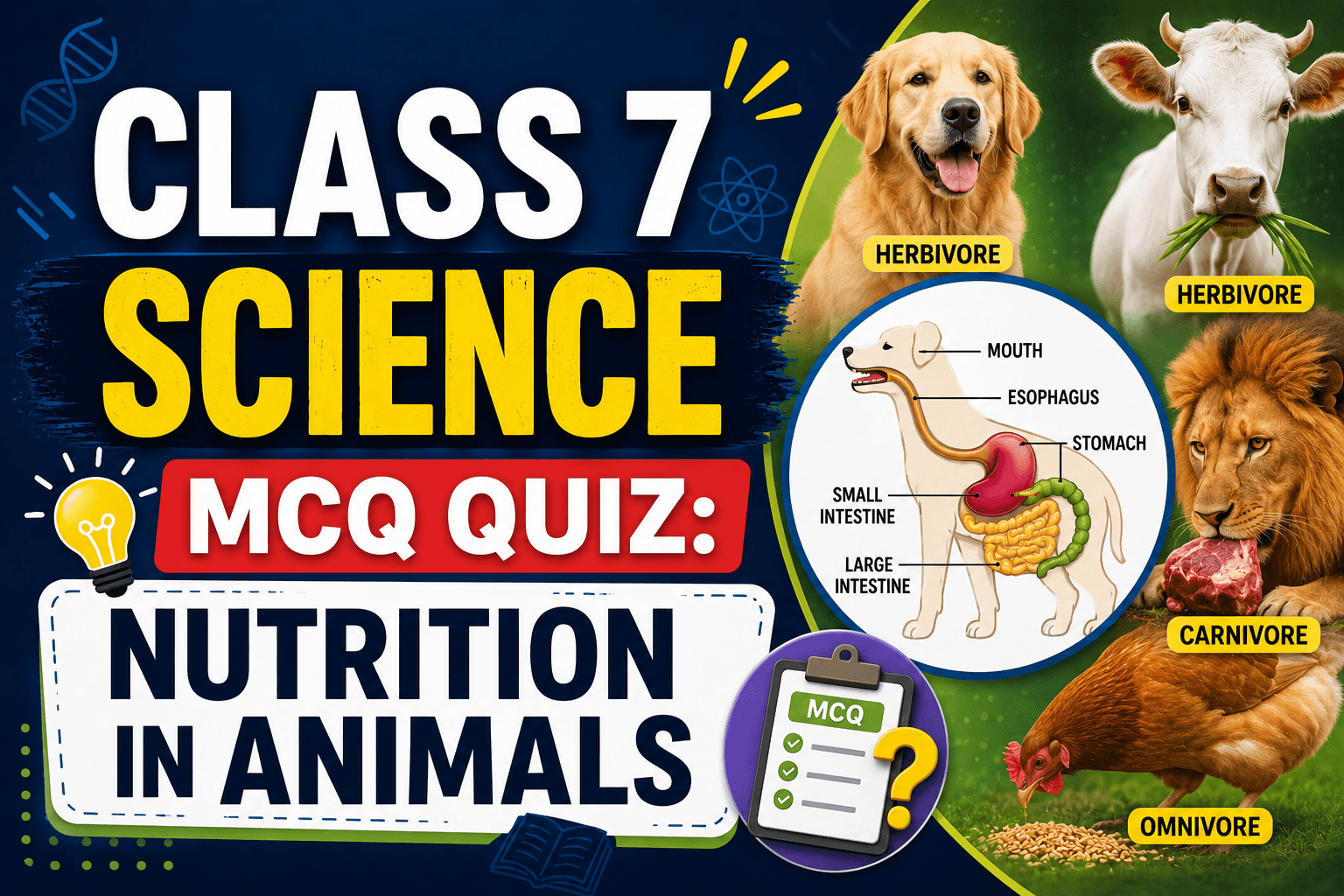
NCERT Class 7 Science MCQs on digestion, liver, hydrochloric acid, cellulose, milk teeth, permanent teeth, large intestine, and human digestive system with detailed explanations and NCERT-based concepts.
Do You Know
Q1. The largest gland in the human body is:
Correct Answer: Liver
Detailed Explanation:
The liver is the largest gland and one of the most important organs in the human body. It is located on the upper right side of the abdomen just below the diaphragm. The liver performs hundreds of functions that help maintain overall health and proper body functioning.
One of the major functions of the liver is the production of bile juice. Bile helps in the digestion and absorption of fats present in food. The liver also stores glucose in the form of glycogen and releases it when the body needs energy. In addition, it stores important vitamins and minerals required for various body functions.
Another vital role of the liver is detoxification. Harmful substances, toxins, alcohol, and medicines that enter the body are processed by the liver. It filters the blood and removes waste products before they can harm the body. The liver also helps in protein metabolism and supports blood clotting by producing important proteins.
Because of its many functions, the liver is often referred to as the body’s natural chemical factory. Maintaining liver health through a balanced diet and proper lifestyle is extremely important for overall well-being.
Real-Life Examples:
- The liver produces bile that helps digest oily foods.
- Medicines consumed by a person are processed in the liver.
- Excess glucose is stored in the liver for future energy needs.
Important NCERT Points:
- Liver is the largest gland in the human body.
- It secretes bile juice.
- Bile helps in fat digestion.
- Liver stores glycogen, vitamins, and minerals.
Exam-Oriented Fact:
The liver is both a gland and an important digestive organ.
Quick Revision Line:
Liver is the largest gland and produces bile for digestion of fats.
Q2. The acid present in the stomach that kills bacteria is:
Correct Answer: Hydrochloric Acid (HCl)
Detailed Explanation:
Hydrochloric Acid (HCl) is a strong acid secreted by the walls of the stomach. It plays a crucial role in the digestive process by creating an acidic environment necessary for the proper functioning of digestive enzymes. One of its most important functions is killing harmful bacteria and microorganisms that enter the body through food and water.
The stomach receives food from the food pipe and begins the process of digestion. HCl activates the enzyme pepsin, which helps break down proteins into simpler substances. Without hydrochloric acid, protein digestion would become difficult and many harmful microbes could survive inside the digestive system.
Although hydrochloric acid is very strong, the stomach remains protected because its inner lining secretes mucus. This mucus layer prevents the acid from damaging stomach tissues. If this protective layer becomes weak, ulcers may develop.
Maintaining the correct level of stomach acid is important for healthy digestion. Both excess and deficiency of acid can lead to digestive problems.
Real-Life Examples:
- HCl helps digest protein-rich foods like eggs and pulses.
- Harmful bacteria entering through food are destroyed by stomach acid.
- Doctors prescribe antacids when excess stomach acid causes acidity.
Important NCERT Points:
- Hydrochloric acid is secreted in the stomach.
- It kills harmful bacteria.
- It creates an acidic medium for digestion.
- Pepsin works efficiently in acidic conditions.
Exam-Oriented Fact:
Hydrochloric acid activates digestive enzymes and protects the body from germs.
Quick Revision Line:
Hydrochloric Acid in the stomach helps digestion and kills harmful bacteria.
Q3. Cellulose is a type of:
Correct Answer: Carbohydrate
Detailed Explanation:
Cellulose is a complex carbohydrate found in the cell walls of plants. It is one of the most abundant organic substances on Earth and provides strength, rigidity, and structural support to plants. Vegetables, fruits, grains, and plant stems all contain cellulose in varying amounts.
Although cellulose belongs to the carbohydrate group, humans cannot digest it because the human digestive system lacks the enzyme called cellulase, which is needed to break it down. However, cellulose still plays an extremely important role in our diet because it acts as dietary fiber or roughage.
Dietary fiber helps food move smoothly through the digestive tract and prevents digestive disorders such as constipation. It also helps maintain healthy bowel movements and supports the growth of beneficial bacteria in the large intestine. A fiber-rich diet contributes to better digestive health and overall well-being.
Animals such as cows, goats, and buffaloes can digest cellulose because certain microorganisms present in their digestive system produce enzymes that break down cellulose into usable nutrients.
A balanced diet containing fruits, vegetables, and whole grains provides sufficient cellulose and helps keep the digestive system healthy.
Real-Life Examples:
- Vegetables such as cabbage and spinach contain cellulose.
- Whole wheat and bran are rich in dietary fiber.
- Eating fruits regularly helps improve digestion due to cellulose content.
Important NCERT Points:
- Cellulose is a carbohydrate.
- It is present in plant cell walls.
- Humans cannot digest cellulose.
- It acts as roughage in the digestive system.
Exam-Oriented Fact:
Cellulose provides dietary fiber that helps prevent constipation.
Quick Revision Line:
Cellulose is a plant carbohydrate that acts as roughage in humans.
Q4. Permanent teeth are replaced by milk teeth around the age of:
Correct Answer: 6 to 8 years
Detailed Explanation:
Human beings develop two sets of teeth during their lifetime. The first set is called milk teeth or temporary teeth. These teeth begin appearing during infancy and help children chew food properly and develop clear speech.
Milk teeth are not permanent. Around the age of 6 to 8 years, these teeth gradually start falling out and are replaced by permanent teeth. Permanent teeth are larger, stronger, and designed to last throughout adult life. An average adult normally has 32 permanent teeth.
The replacement process occurs naturally. As permanent teeth develop inside the jawbone, they push against the roots of milk teeth. Gradually, the roots dissolve, causing milk teeth to loosen and fall out. The permanent teeth then emerge in their place.
Proper dental care during childhood is important because healthy permanent teeth contribute to lifelong oral health. Regular brushing, flossing, and dental checkups help prevent cavities, gum disease, and tooth decay.
Children should consume calcium-rich foods such as milk, cheese, and yogurt to support strong teeth and healthy jaw development.
Real-Life Examples:
- Most children lose their front milk teeth around six years of age.
- Dentists encourage regular brushing to protect permanent teeth.
- Calcium-rich foods help develop strong teeth.
Important NCERT Points:
- Humans have two sets of teeth.
- Milk teeth are temporary teeth.
- Permanent teeth replace milk teeth.
- Adults usually have 32 permanent teeth.
Exam-Oriented Fact:
Permanent teeth begin replacing milk teeth at approximately 6–8 years of age.
Quick Revision Line:
Milk teeth start falling and permanent teeth appear around 6–8 years of age.
Q5. Water from the undigested food is absorbed mainly in the:
Correct Answer: Large Intestine
Detailed Explanation:
The large intestine is the final major section of the digestive system. After digestion and nutrient absorption are completed in the small intestine, the remaining undigested food enters the large intestine. The primary function of the large intestine is to absorb water and salts from this undigested material.
As water is removed, the waste material becomes more solid and eventually forms feces. These feces are stored temporarily in the rectum before being expelled from the body through the anus.
The large intestine also contains millions of beneficial bacteria that help produce certain vitamins and assist in maintaining digestive health. These microorganisms play an important role in supporting the body’s overall well-being.
Water absorption is essential because it prevents excessive loss of body fluids. If insufficient water is absorbed, diarrhea may occur. On the other hand, excessive absorption of water can lead to constipation. Therefore, maintaining proper hydration and consuming fiber-rich foods helps the large intestine function effectively.
The large intestine is an important organ that contributes significantly to maintaining water balance and healthy digestion.
Real-Life Examples:
- Drinking enough water helps maintain healthy bowel movements.
- Constipation may occur when too much water is absorbed from waste.
- Beneficial bacteria in the large intestine support digestion.
Important NCERT Points:
- Large intestine absorbs water and salts.
- It helps form feces.
- Beneficial bacteria live in the large intestine.
- It plays an important role in digestion and waste removal.
Exam-Oriented Fact:
Most water absorption from undigested food occurs in the large intestine.
Quick Revision Line:
The large intestine absorbs water from undigested food and forms feces.
Quick Revision Table
| Question | Correct Answer |
| Largest gland in the human body | Liver |
| Acid present in the stomach | Hydrochloric Acid (HCl) |
| Cellulose is a type of | Carbohydrate |
| Permanent teeth replace milk teeth at | 6–8 years |
| Water absorption mainly occurs in | Large Intestine |
Conclusion:
This Class 7 Science MCQ Quiz on Nutrition in Animals covers important NCERT concepts including the liver, stomach acid, cellulose, teeth development, and large intestine functions. These topics are frequently asked in school examinations and help students understand the human digestive system more effectively. Regular practice of such MCQs strengthens conceptual understanding and improves exam preparation.
Related links
Latest Posts
- Class 8 Science MCQ Quiz: Sound, Pitch & Noise Pollution
- Class 9 Science MCQ Quiz: Matter, Energy, Valency, Motion and Neurons
- Class 10 Science MCQ Quiz: Energy, Global Warming & Life Processes
- Class 10 Science MCQs with Answers | Light & Electricity
- Class 7 Science: Heat, Temperature, Conductors
Join Our Other Communities